

High-Performance Multi-Country SaaS GTM Strategy enables top SaaS companies in 2025 to achieve 15–25% YoY revenue growth through disciplined international expansion. Leaders like Salesforce (~30% revenue international, strong EMEA/APAC contributions) and HubSpot (~49% revenue international) balance global standardization with local adaptation via repeatable, data-driven playbooks.
This multi-country GTM approach requires centralized control with regional autonomy. High-growth firms prioritize markets by TAM, regulatory alignment, cultural fit, and cloud adoption. Localized pricing, partner ecosystems, and AI-driven personalization drive adoption while mitigating risks such as data sovereignty and compliance failures.
Executive Summary
- Market prioritization and segmentation prevent over-extension and optimize ARR contribution.
- Hybrid GTM (product-led + sales-assisted) adapts to local buyer preferences.
- Partner ecosystems accelerate market entry while reducing regulatory friction.
- AI-driven personalization improves conversion, onboarding, and retention.
- Common pitfalls: over-standardization, regulatory gaps, poor localization.
- Measurable outcomes: 15–25% international contribution within 2–3 years; compounding ARR.
Table of Contents
The Global SaaS Imperative
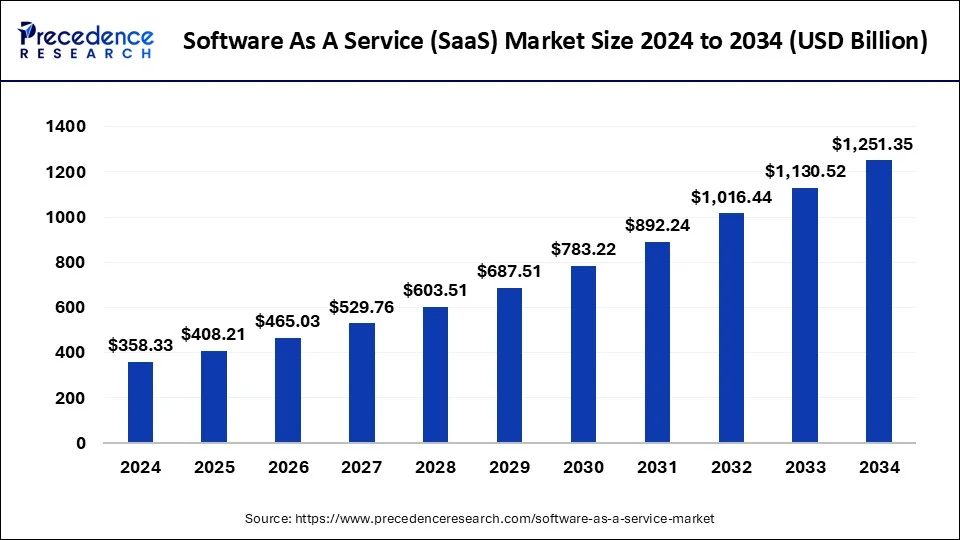
The global SaaS market is projected at $300–430B in 2025 (Gartner ~$428B public cloud SaaS; other sources ~$320–390B). International markets drive most of this growth, with mature firms deriving 40–50%+ of revenue from outside their home region.
Examples:
- HubSpot: International revenue now 49%, growing faster than domestic.
- Salesforce: ~30% revenue international, primarily EMEA/APAC.
Economic uncertainty, AI integration, and evolving data residency regulations (GDPR, CCPA equivalents) make a “copy-paste US GTM” obsolete. Winners invest in:
- Localized AI personalization for content, pricing, and campaigns
- Regional data centers for compliance and latency
- Hybrid GTM models blending self-serve and sales touch
Operationalizing Global Expansion
Centralized Governance, Local Autonomy
- Global KPIs: ARR contribution, CAC/LTV, churn
- Regional autonomy: Pricing tiers, partner decisions, sales cadence
AI and Data-Driven Insights
- Tools like 6sense or Demand base-style predictive analytics optimize lead targeting and conversion.
Compliance-First Approach
- Implement regional data residency (clouds)
- Privacy regulations: GDPR, CCPA, local equivalents
- Payment localization: Regional payment rails
Key Pitfalls and Mitigations
| Pitfall | Mitigation |
|---|---|
| Over-standardization | Flexible pricing, region-specific messaging |
| Weak localization | Native-language teams, local marketing |
| Regulatory oversight gaps | Pre-launch compliance audits, partner-led risk management |
Practical 90-Day Playbook
Days 1–30: Assess & Prioritize
- Segment markets (TAM, competition, regulatory ease)
- Conduct compliance audit
- Identify 3–5 pilot partners per region
Days 31–60: Pilot & Validate
- Launch localized GTM pilots: landing pages, pricing, campaigns
- Track metrics: pipeline velocity, CAC, conversion
Days 61–90: Iterate & Scale
- Refine playbooks based on data
- Expand to proven channels/markets
- Align global KPIs (ARR contribution, partner performance)
Multi-country success isn’t about blanket expansion — it requires disciplined execution, blending global efficiency with local relevance.
Firms that master AI personalization, partner ecosystems, and regulatory agility unlock sustainable 15–25% international ARR contribution, compounding into long-term market leadership.
The real unlock: scalable, repeatable GTM frameworks that respect local nuances while maximizing global efficiency.
Disclaimer: Insights based on 2025 industry reports (Gartner, company filings, public analyses). Verify metrics independently; not investment advice.