
Executive Summary
Cross-functional leadership as the growth engine: Most boards still believe software or fintech launch delays are caused by engineering bottlenecks or regulatory friction. They’re wrong. The real limiter is cross-functional misalignment—fragmented decision-making between product, engineering, compliance, operations, and marketing. Companies like Stripe, Revolut, and platforms leveraging Monite demonstrate that disciplined cross-functional leadership, combined with modular architecture and embedded APIs, can meaningfully accelerate time-to-market, boost adoption, and improve revenue capture. Boards that ignore this structural accelerator risk losing first-mover advantage, eroding market share, and increasing operational risk. Here’s why most boards are dangerously under-investing in this lever — and how the top 1% deploy it.
- Cross-functional leadership reduces SaaS/fintech go-live timelines by 20–60% across multi-market launches.
- Embedding pre-built APIs (payments, finance automation, banking connectivity) compresses development cycles from months to weeks.
- Real-world examples (Stripe, Revolut, Monite, Plaid) show measurable time-to-market and adoption improvements.
- AI orchestration tools streamline dependency tracking, risk identification, and team coordination.
- Boards should prioritize empowered, modular teams, regulatory foresight, and strategic RACI governance.
- Properly applied, cross-functional leadership converts operational efficiency into market share, revenue, and sustainable growth.
Table of Contents
The Executive Risk Most Boards Overlook
Boardrooms obsess over technical innovation, often ignoring the operational levers that determine launch velocity. Misaligned teams cascade delays: engineering misses deadlines, marketing campaigns are deferred, compliance reviews lag, and revenue recognition slips.
- Market risk: Slow launches in regulated fintech markets mean lost first-mover advantage.
- Financial risk: Delays inflate burn rates and reduce early monetization.
- Talent risk: High-performing teams churn when frustrated by blocked workflows.
Boards that fail to treat cross-functional leadership as a strategic lever are leaving value on the table.
Why Speed Matters in SaaS & Fintech Go-Live
- Time-to-market drives survival, not just performance. Faster launches deliver:
- Early feedback loops: Rapid customer insights improve adoption and retention.
- Regulatory advantage: Compliance-integrated teams reduce approval bottlenecks in multi-jurisdiction launches.
- Revenue acceleration: Faster go-lives capture first-use revenue, shorten cash conversion cycles, and reduce burn.
Core Challenges Impeding Go-Live
- Siloed Teams & Misaligned Incentives – Product, engineering, compliance, and marketing act independently, causing handoff delays.
- Regulatory Bottlenecks – Compliance reviews can halt launches if not embedded early.
- Technical Integration Overhead – Building payments, banking, or invoicing functionality from scratch consumes months.
- Resource Constraints – Many startups lack specialized talent to manage finance, compliance, and tech simultaneously.
Board-Level Frameworks for Launch Acceleration
1. Cross-Functional Squads & Agile Governance
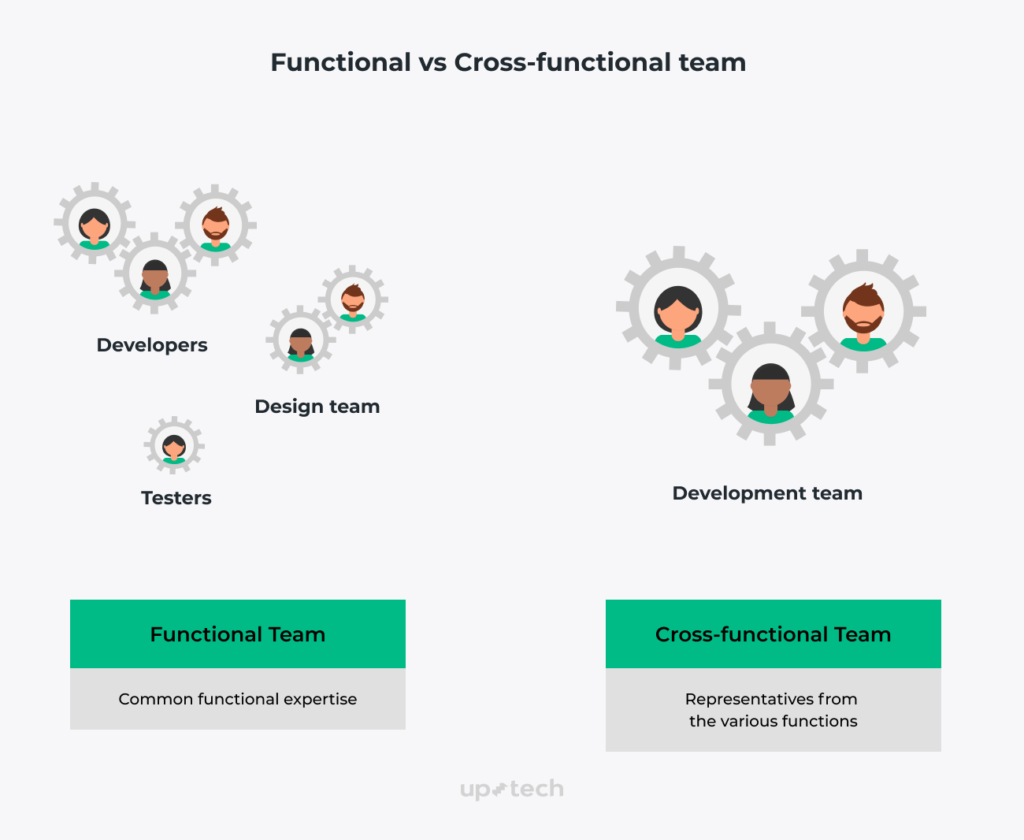
- Form small, autonomous teams with product, engineering, design, and compliance representation.
- Empower product owners as end-to-end leaders, accountable for ideation, development, launch, and adoption.
- Agile iterations compress feedback loops; studies show 20–60% faster delivery in fintech contexts.
2. RACI Mapping for Executive Accountability
- Assign Responsible, Accountable, Consulted, Informed for all milestones.
- Eliminates bottlenecks, clarifies escalation paths, and allows board-level visibility into critical decisions.
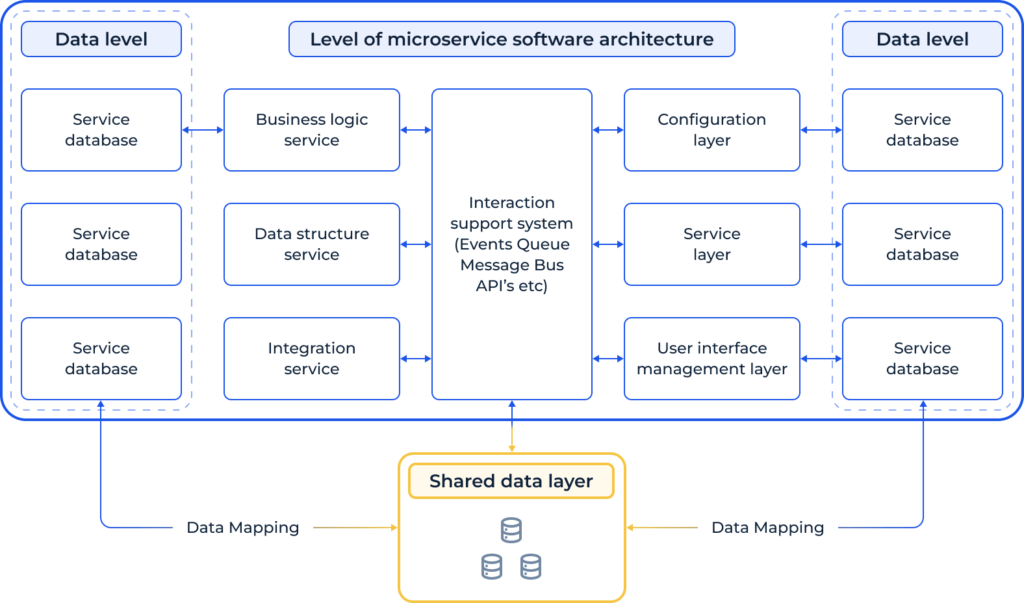
3. Modular Architecture & Embedded APIs
- Outsource non-core finance functions to Stripe (payments), Plaid (bank connectivity), Monite (AP/invoicing automation).
- Reduces build time, lowers technical risk, and enables faster global rollouts.
4. AI-Enhanced Coordination
- Automates status tracking, dependency alerts, risk flags, and scheduling.
Early adopters report 30–50% reduction in manual coordination overhead, enabling leadership to focus on strategy.
Global Case Studies: Real-World Evidence
| Region | Company/Initiative | Approach | Outcome / Insight |
|---|---|---|---|
| Global/APAC | Platforms using Monite | Embedded finance APIs for invoicing/AP | Clients launch finance features in 3–5 weeks vs. months/years in-house; avoids compliance overhead |
| Europe | Revolut “New Bets” | Small cross-functional squads for innovation | Rapid testing and multi-country feature scaling with end-to-end ownership |
| North America/Global | Stripe-powered expansions | Modular APIs for payments/marketplaces | Enabled rapid global rollouts and partner MVPs (e.g., new country launches in months) |
Common Pitfalls to Avoid
- Building non-core infrastructure in-house (time and cost overruns)
- Ignoring regulatory input early in the process
- Over-relying on AI without human oversight
- Neglecting cultural/geography considerations in multi-region launches
45-Day CXO Playbook for Go-Live Acceleration
| Week | Focus | Key Actions | Owner | KPI / Milestone |
|---|---|---|---|---|
| 1 | Discovery & Planning | Map dependencies, embed compliance early, select APIs | Product Lead | Validated roadmap, API partners |
| 2 | Alignment | Build cross-functional squads, define RACI | CTO/Product | Roles assigned, Agile sprints set |
| 3-4 | Execution | Incremental builds, daily stand-ups, API integration | Engineering/Design | Functional MVP testable |
| 5-6 | Testing & Launch | Beta feedback, security audits, soft launch | Ops/Compliance | Go-live with metrics tracking, adoption rate measured |
Future Outlook
- SaaS and fintech teams will need cross-geography, cross-platform alignment
- AI-assisted project management tools will automate dependency tracking
- CXOs will be expected to lead multi-functional teams at speed without any bias to be effective and efficient
By 2030, cross-functional orchestration, modular tech, and AI-assisted governance will define the SaaS and fintech winners. Boards that invest in these levers will convert operational alignment into measurable revenue acceleration, market share, and sustainable growth. Those that cling to traditional hierarchical or siloed approaches risk missing opportunities in global fintech markets.
Speed is the new moat. Companies that master cross-functional execution and modular orchestration will dominate before competitors even ship their first feature.
Disclaimer: This article uses publicly available sources . Information is for general informational purposes only and should not be relied on as financial, legal, tax, or investment advice. Readers should verify facts independently before acting.
Sources: Monite, Revolut, Stripe, Plaid, McKinsey & Company, Deolitte, HBR,