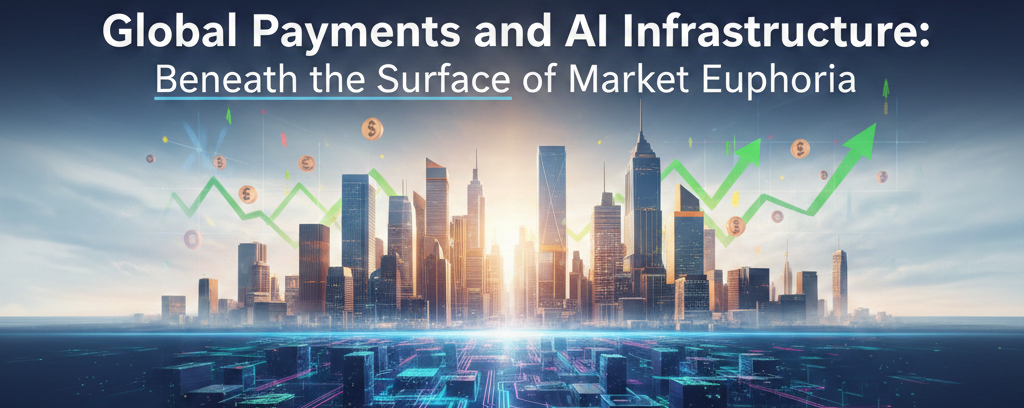




Global Payments and AI Infrastructure: Beneath the Surface of Market Euphoria

A wide cinematic banner split into two layers: the top shows a glowing golden skyline with rising green stock market arrows, while the bottom "sub-surface" layer reveals a dense, glowing grid of blue and pink digital circuits and AI data pathways. The text "Global Payments and AI Infrastructure: Beneath the Surface of Market Euphoria" is centered at the top.

Global payments and AI Infrastructure are at the center of the current technology supercycle. As of February 2026, boardrooms from London to New York City are animated by the same conviction: global payments, AI, and automation are no longer thematic bets; they are structural inevitabilities embedded into the architecture of global business. Real-time rails are … Read more

Data Sovereignty and Pipeline Design in Global Payments: The Revenue Architecture Trade-off Most Leaders Underestimate

A professional horizontal banner with a dark blue tech background featuring the text "DATA SOVEREIGNTY AND PIPELINE DESIGN IN GLOBAL PAYMENTS." To the left is a digital shield icon with a padlock over a globe, and to the right are interlocking gears and circuit board patterns, representing secure data flow.

Data Sovereignty Is Not a Legal Issue. It’s a Revenue Design Decision. In global payments, data sovereignty is often framed as a legal constraint, something compliance teams interpret after sales signs the deal.That framing is flawed. When transaction data, KYC records, fraud telemetry, and settlement instructions cross borders, they don’t just trigger legal questions. They … Read more

The Role of Partnerships in Scaling Global Payments: Strategic Alliances for SVP Sales to Accelerate Fintech Adoption

A professional corporate banner with a dark navy blue background featuring a digital grid and a faint glowing world map. Centered white text discusses the role of partnerships in scaling global payments and accelerating fintech adoption.

Why the Role of Partnerships Are Non-Negotiable in Global Payments today? In global payments, the velocity of change isn’t merely rapid, it’s exponential. New players enter markets daily, consumer expectations evolve every quarter, and regulatory complexity intensifies across jurisdictions. As an SVP of Sales in a fintech or payments organization, the central question isn’t “Should … Read more

Global Payments Leadership: When to Guide and When to Step Back for Growth?

A professional split-screen banner for "Global Payments Leadership." The left side shows a diverse team of executives standing on a digital globe with the text "When to Guide..." The right side features a glowing upward arrow with professionals ascending, accompanied by the text "...and when to step back for growth?" The design uses a sophisticated blue and gold color palette.

Global payments remain high-friction: layered correspondent networks, FX swings, multi-jurisdictional compliance (e.g., evolving PSD3 in Europe, APAC data residency rules, African instant-payment mandates), and now agentic AI introducing autonomous transaction flows. Leaders face the perennial question: When to step in versus step back?From scaling operations in APAC (real-time schemes like FAST/UPI linkages) and Africa I … Read more

The Perils of Epicaricacy: A Quiet Leadership Instinct!

An antique parchment scroll banner featuring the title "THE PERILS OF EPICARICACY: A QUIET LEADERSHIP INSTINCT!" The center contains an illustration of a lone silhouette standing on a cliff overlooking a crumbling castle under a stormy sky, framed by a border of thorns.

The Perils of Epicaricacy: A Quiet Leadership Instinct I Had to Unlearn. I didn’t recognize it the first time it happened. A competitor I knew reasonably well lost a key regulatory approval. Nothing dramatic, no headlines, no scandal. Just a delayed expansion that quietly stalled their momentum. I remember reading the update on my phone between meetings. My first reaction wasn’t concern.

It was relief. I didn’t smile. I didn’t say anything out loud. But internally, something loosened. Pressure eased. The bar felt lower for a moment. And that’s what bothered me later, not the thought itself, but how natural it felt. There’s a word for that reaction: epicaricacy. Most people know it as schadenfreude—taking pleasure, however small, in someone else’s misfortune. I used to think this was a personal flaw you either had or didn’t. Over time, I’ve come to see it differently. In senior leadership roles, especially in competitive and regulated environments, this instinct is surprisingly easy to acquire and dangerously hard to notice. Not because leaders are malicious. But because the conditions quietly reward it. I know some will agree and others won’t. But this exist.

Read more

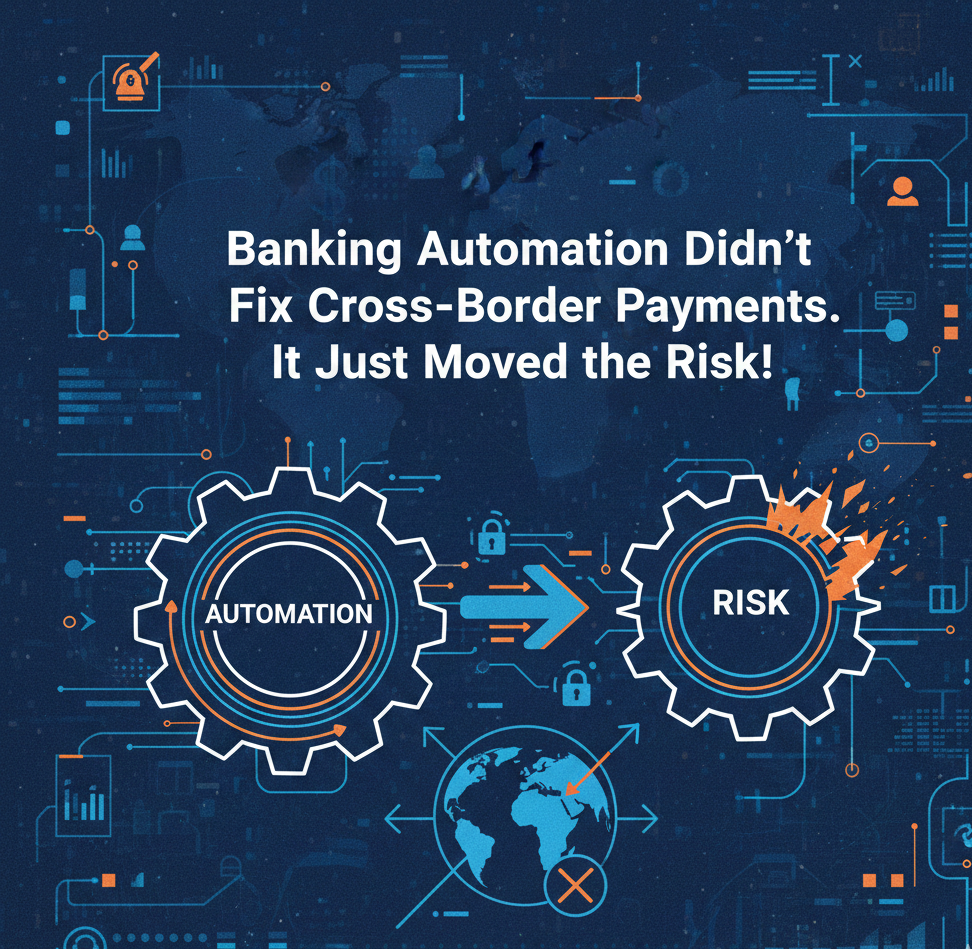
Banking Automation Didn’t Fix Cross-Border Payments. It Just Moved the Hidden Risk!

A conceptual infographic showing a blue gear labeled "Automation" passing an arrow to a burning gear labeled "Risk" over a world map, titled "Banking Automation Didn’t Fix Cross-Border Payments. It Just Moved the Risk!"

Banking Automation has unquestionably improved the mechanics of global and cross-border payments. Settlement is faster. Reconciliation is cleaner. Fraud detection is sharper.
But after nearly 2 decades operating inside regulated, high-friction payment corridors; particularly across APAC, I have learned a harder truth: automation doesn’t eliminate risk, it re-distributes it.

Speed replaces visibility. Efficiency trades off against regulatory resilience. AI closes one class of fraud while quietly opening another.

Great Leaders Prioritize People — The Uncomfortable Economics of Talent in Global Payments

Futuristic digital graphic with a light yellow background and tech-circuitry patterns featuring the centered text "Great Leaders Prioritize People."

Great Leaders have far farsightedness. In Global Payments and cross-border payments talent decisions are more than HR. They are economic imperatives with long term consequences. Leaders who strategically invest in skilled teams, compliance expertise, and managerial capability drive higher profitability, operational resilience, and regulatory compliance. This article explore the uncomfortable trade-offs between short-term margin protection and long-term execution capacity, offering insights for CXOs navigating APAC payments infrastructure, fintech workforce strategy, and banking automation challenges.

Customer Understanding is not a value. It’s a Trade-Off.

Infographic for Customer Understanding featuring icons for identifying needs, analyzing market trends, and developing marketing strategies.

Customer Understanding in banking automation and global payments is often treated a a value statement. In practice, it is a hard go-to-market trade-off. This article examines why shallow customer insight drives GTM failure, margin erosion, and post-sale churn; and why firms that invest in real operational understanding often pay a short-term revenue price before compounding long-term growth. Drawing on lived experiences across cross-border payments in regulated APAC markets, it unpacks the uncomfortable decisions leaders must make to build durable and non-commoditized revenue.

Credibility: The Most Expensive Decision in Global Payments Leadership

A conceptual image representing global payments leadership featuring a golden scale balanced over a digital globe. One side of the scale holds a crown and gold coins, while the other side holds a glowing blue brain with the word "CREDIBILITY" inscribed. The background features a dark, cinematic city skyline, emphasizing high-stakes financial decision-making.

In 2025’s compressing payments landscape—real-time rails eliminating float, AI surfacing risks instantly, embedded finance diluting margins, and ISO 20022 mandating richer data—credibility is the ultimate balance-sheet asset. Silent leadership (disciplined, low-ego execution) compounds it quietly. Leadership silence (avoidance disguised as caution) erodes it fatally. The executives who thrive will master the distinction: confront risks early and decisively, even when it costs short-term revenue.

Executive Summary

Global payments revenues hit approximately $2.5 trillion in 2025, processing trillions of transactions amid structural shifts: real-time payments surging (37% of merchants accepting them, with 80-90% expecting growth), ISO 20022 migration completing in November, AI-driven operations monetizing, and projected fraud losses climbing toward $400 billion cumulatively this decade.

Margins are under relentless pressure from embedded finance, instant rails, and competition. In this environment, leadership credibility—built through proactive risk confrontation and cultural resilience—determines who retains licenses, partners, and talent.

This piece contrasts silent leadership (aggressive internal action, public restraint) with leadership silence (deferred escalation on known weaknesses). The latter has fueled recent failures in bank-fintech models and fraud scandals. CXOs must audit unspoken risks now: silence is increasingly seen as intent by regulators and markets.

Read more

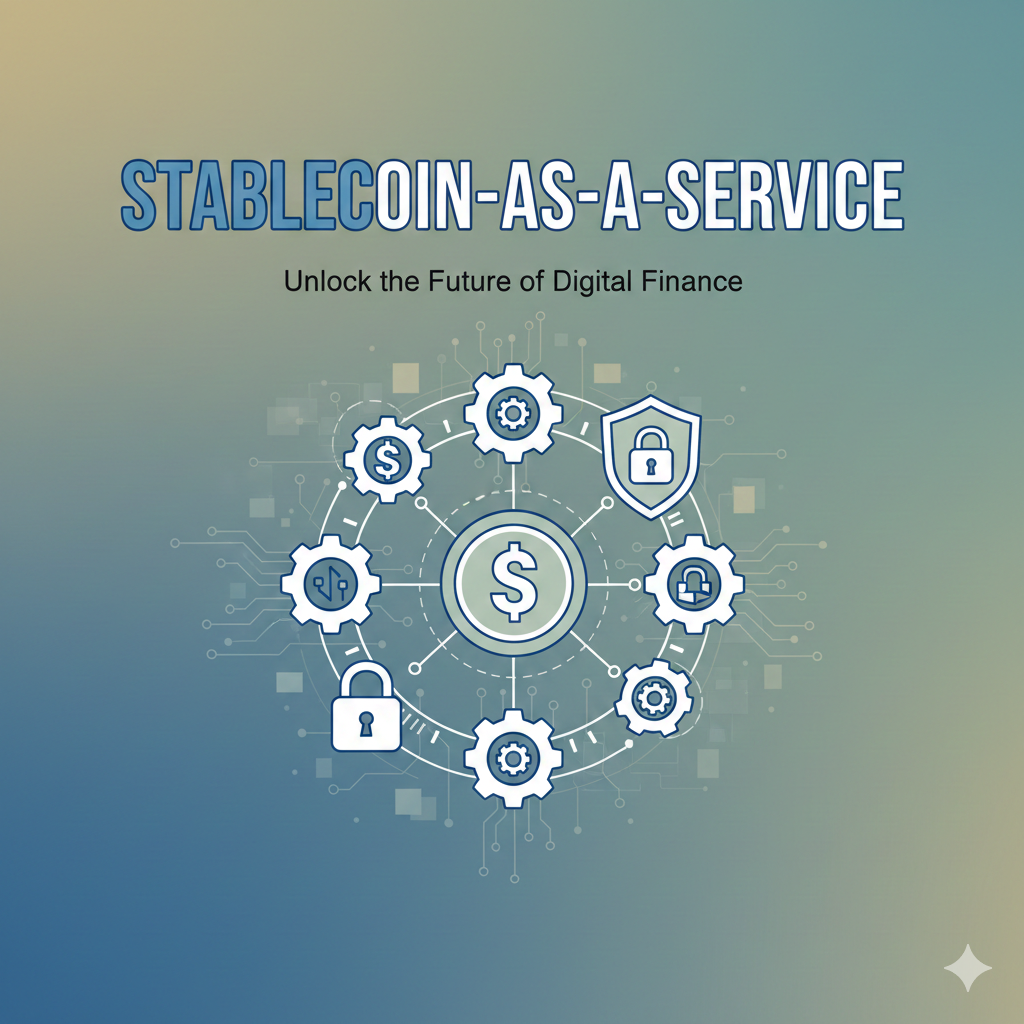
Stablecoin-as-a-Service: How Coinbase Is Building the Future of Global Payments

Chart showing stablecoin market capitalization growth to over $310 billion in December 2025, highlighting USDC and global adoption trends

Executive Summary

  • Stablecoin-as-a-service is moving payments from experimentation to production.
  • Coinbase is productizing USDC payments for merchants and enterprises at scale.
  • Distribution, regulation, and reserve economics form Coinbase’s first-mover moat.
  • Revenue is driven by volume, on-platform balances, and reserve yield sharing.
  • Execution risks remain: liquidity shocks, banking exposure, and regulation.
  • Success would position Coinbase as core payments infrastructure, not a crypto exchange.

Read more