


Enterprise Cross-Border Payments 2026: CEO & SVP Playbook for $240 Trillion Market

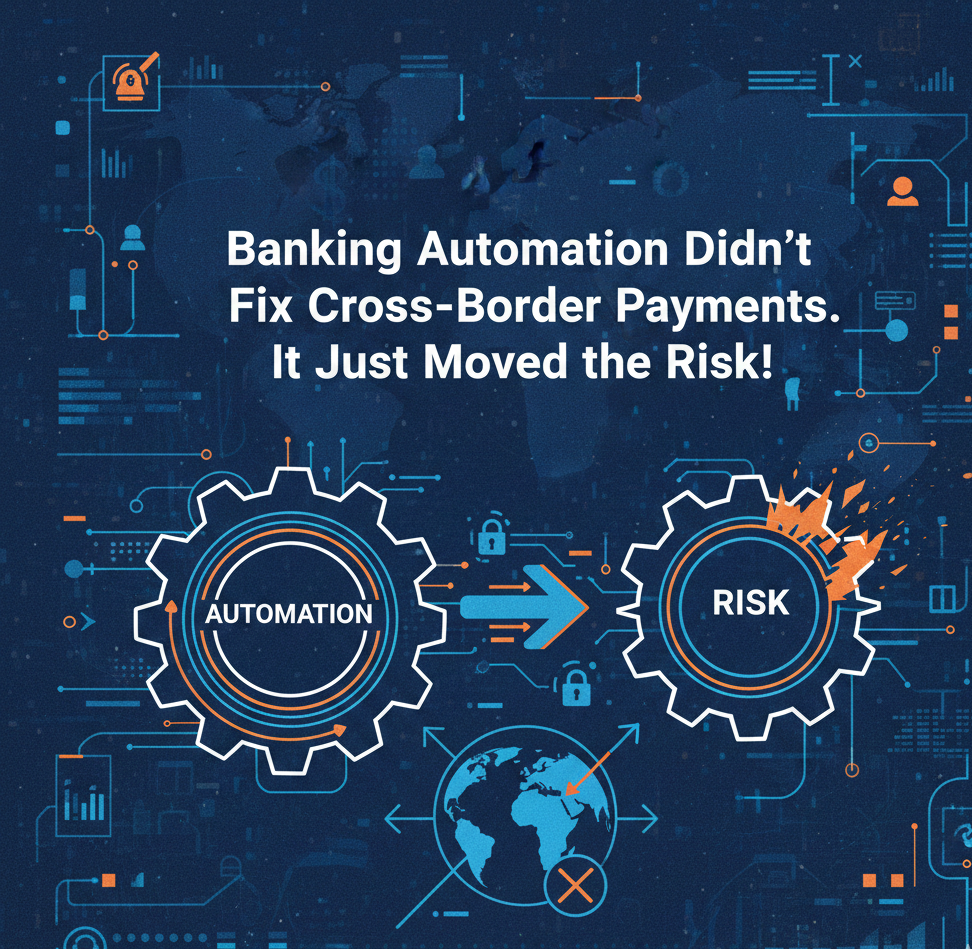
Digital world map representing global enterprise payment rails, cross-border revenue strategy, and financial technology networks.

The Enterprise Cross-Border Payments 2026 landscape is undergoing a structural transformation. The fragmented network of correspondent banks—once slow, opaque, and costly—is giving way to a unified, data-rich, and autonomous financial fabric. For CEOs and SVPs of Sales, the next 12 months are shaping up as a “Liquidity War,” where competitive advantage comes not from simply moving money, but from optimizing the intelligence and data surrounding every transaction.

Executive Summary

The Enterprise Cross-Border Payments 2026 landscape is undergoing a structural transformation. Key takeaways for CEOs and SVPs:

  • Liquidity War: Optimize data and intelligence, not just money movement.
  • ISO 20022: Unlock semantic data for AI-driven treasury and risk management.
  • Instant Rails: Connect domestic real-time systems (UPI, Pix, FedNow) into multilateral corridors.
  • Stablecoins 2.0: Emerging as regulated B2B settlement rails with cost reduction potential.
  • Agentic AI: Deploy AI agents for FX optimization, compliance, and Smart Acceptance.
  • Regulatory Readiness: Embrace digital identity and Unified Trade Intelligence.
  • Strategic Action: Weaponize data, integrate stablecoins, govern AI, align sales to payment strategy.

Read more

Enterprise Fintech Infrastructure: The Strategic Bet to Win by 2030

Fintech Infrastructure

Fintech infrastructure is the true competitive lever for the next decade. Most executives mistakenly focus on user counts, global expansion, or flashy features, but these are tactical. The companies that own and standardize modular, API-first financial rails — embedding payments, credit, wallets, and compliance into ecosystems — will capture network effects, enforce regulatory moats, and generate scalable, high-margin revenue streams, leaving legacy banks struggling. Boards often misread this strategic inflection, but the top 1% of fintech leaders are already monetizing infrastructure at scale. Here’s why this bet is non-negotiable and how executive teams can act now..

Executive Summary

  • Embedded rails = largest moat; volume alone won’t win.
  • Legacy banks lag; regulatory and tech debt hinder agility.
  • Modular, API-first fintech stacks scale globally, reducing costs.
  • AI-driven compliance and risk create speed + cost advantage.
  • Capital allocation: stack > marketing; platform-first investment wins.
  • Talent strategy: platform-centric engineers > product-centric teams.

Read more

Cross-Functional Leadership: The Real Growth Engine for Faster SaaS & Fintech Launches

Cross-Functional Leadership: Accelerate SaaS Go-Live by 30% and boost revenues

Executive Summary

Cross-functional leadership as the growth engine: Most boards still believe software or fintech launch delays are caused by engineering bottlenecks or regulatory friction. They’re wrong. The real limiter is cross-functional misalignment—fragmented decision-making between product, engineering, compliance, operations, and marketing. Companies like Stripe, Revolut, and platforms leveraging Monite demonstrate that disciplined cross-functional leadership, combined with modular architecture and embedded APIs, can meaningfully accelerate time-to-market, boost adoption, and improve revenue capture. Boards that ignore this structural accelerator risk losing first-mover advantage, eroding market share, and increasing operational risk. Here’s why most boards are dangerously under-investing in this lever — and how the top 1% deploy it.

  • Cross-functional leadership reduces SaaS/fintech go-live timelines by 20–60% across multi-market launches.
  • Embedding pre-built APIs (payments, finance automation, banking connectivity) compresses development cycles from months to weeks.
  • Real-world examples (Stripe, Revolut, Monite, Plaid) show measurable time-to-market and adoption improvements.
  • AI orchestration tools streamline dependency tracking, risk identification, and team coordination.
  • Boards should prioritize empowered, modular teams, regulatory foresight, and strategic RACI governance.
  • Properly applied, cross-functional leadership converts operational efficiency into market share, revenue, and sustainable growth.

Read more